Address
304 North Cardinal St.
Dorchester Center, MA 02124
Work Hours
Monday to Friday: 7AM - 7PM
Weekend: 10AM - 5PM
Address
304 North Cardinal St.
Dorchester Center, MA 02124
Work Hours
Monday to Friday: 7AM - 7PM
Weekend: 10AM - 5PM

 Byadmin
Understanding the psychological triggers that drive high-stakes gambling behavior
High-stakes gambling captivates individuals due to the tantalizing prospect of winning large sums of money. The excitement and adrenaline rush associated with betting big can trigger an emotional high that many find irresistible. For some, this exhilarating experience offers an escape from everyday life, allowing them to immerse themselves in a world where fortunes can change instantly. The combination of risk and reward creates a compelling scenario that taps into the human desire for thrill and excitement, especially when considering platforms like Pin Up Casino India 2026.

This allure is often magnified by societal perceptions of gambling as glamorous and adventurous. Movies, television shows, and popular culture often portray high-stakes gamblers as daring individuals, living on the edge and enjoying lavish lifestyles. Such representations can create a fantasy that entices people to engage in gambling, often overlooking the potential risks involved. Consequently, these misconceptions can lead to an overestimation of one’s chances of winning, further driving high-stakes gambling behavior.
The psychological mechanism of loss aversion also plays a crucial role in high-stakes gambling. This concept, rooted in behavioral economics, suggests that people tend to prefer avoiding losses rather than acquiring equivalent gains. As gamblers place larger bets, the fear of losing becomes increasingly pronounced, often leading them to gamble even more to recover losses. This paradox can create a cycle of risk-taking behavior that is difficult to escape, reinforcing the allure of high-stakes gambling.
Additionally, the role of peer influence and social reinforcement cannot be understated. Individuals often engage in high-stakes gambling within groups, where the excitement can be contagious. Observing others winning can create a bandwagon effect, prompting newcomers to join in, fueled by the shared energy of the moment. This social aspect can amplify the psychological triggers at play, compelling individuals to take risks they might otherwise avoid when alone.
Moreover, emotional states significantly impact gambling behavior. Factors such as stress, anxiety, or depression can lead individuals to seek solace in gambling as a means of coping. In these moments, high-stakes games may appear as a viable escape, offering a fleeting sense of control and achievement. However, this coping mechanism can quickly spiral into compulsive behavior, where the initial intent to relax transforms into an unhealthy relationship with gambling.
The concept of rewards and reinforcements is fundamental to understanding high-stakes gambling behavior. The thrill of winning can trigger a release of dopamine, a neurotransmitter associated with pleasure and reward. This chemical reaction reinforces the gambling behavior, making individuals more likely to return for future bets. As wins, regardless of size, become associated with positive feelings, the gambler’s brain starts to crave those rewarding experiences, encouraging repeat participation.
Furthermore, near-misses in gambling can be just as potent as actual wins. For instance, a player may lose just shy of a jackpot, eliciting feelings of excitement that can be misinterpreted as a reason to continue playing. This phenomenon can perpetuate the cycle of gambling, as players chase the high associated with both wins and near-wins. They may erroneously believe that a major win is just around the corner, leading them to increase their stakes in pursuit of that elusive jackpot.
The psychological principle of variable reinforcement schedules also plays a significant role in high-stakes gambling. Unlike predictable rewards, variable schedules keep gamblers uncertain about when their next win will occur. This unpredictability heightens excitement, as players become addicted to the thrill of potentially receiving a reward at any moment. In a high-stakes environment, this can result in increased spending and risk-taking behavior, as players continue to chase the next big payout.
The environment in which gambling occurs significantly influences player behavior. High-stakes gambling venues are often designed to maximize sensory experiences, incorporating vivid lights, sounds, and even scents to create an atmosphere of excitement. This deliberate design enhances the emotional state of players, making them more inclined to take risks. The impact of environmental cues cannot be underestimated, as they continuously stimulate the brain and encourage ongoing play.
Moreover, the strategic placement of gaming machines and tables within casinos aims to keep players engaged and spending. For example, high-stakes tables may be located near food and beverage service, creating an immersive experience that encourages longer stays. This calculated design takes advantage of human psychology, exploiting the tendency for individuals to remain in environments where they feel excited and engaged.
The availability of technology also plays a crucial role in shaping gambling behavior. With the rise of online gambling platforms, individuals can access high-stakes games from the comfort of their homes. These platforms often utilize gamification elements, such as bonuses and rewards, to further entice players. This convenience, combined with strategic digital design, makes it easier for individuals to succumb to the psychological triggers that drive high-stakes gambling behavior, often without realizing the potential consequences.
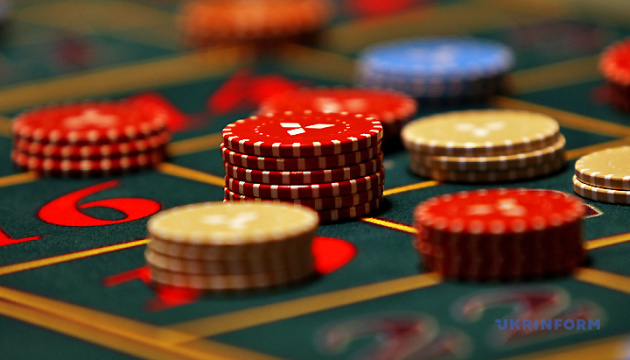
Understanding the psychological triggers that drive high-stakes gambling behavior is essential for promoting responsible gaming practices. Platforms like Pin Up Casino India prioritize user safety while providing an engaging gambling experience. By offering a wide array of games and sports betting options, users can explore their interests without becoming overwhelmed by the pressure often associated with high-stakes play.
Pin Up Casino also emphasizes responsible gaming, providing tools and resources for players to manage their gambling habits. Features such as deposit limits, self-exclusion options, and access to support resources are designed to empower players in making informed decisions. By encouraging a healthy relationship with gambling, the platform aims to minimize the risk of addiction and promote an enjoyable gaming environment.
Ultimately, understanding the psychological mechanisms at play can help players approach high-stakes gambling more mindfully. With its engaging offerings and focus on safety, Pin Up Casino creates a space where users can enjoy the thrill of gaming while being aware of the importance of responsible gambling practices.
“`